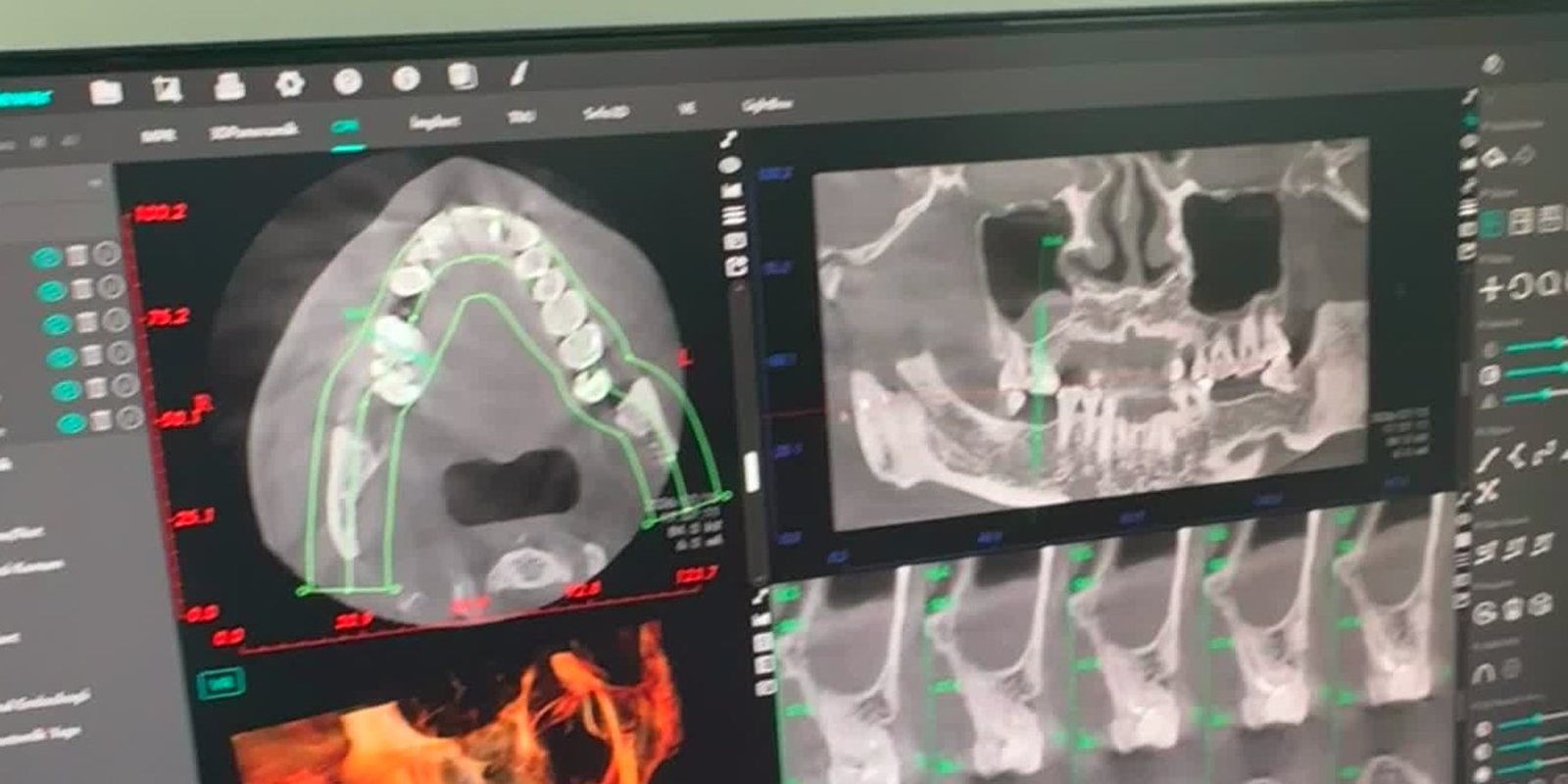
Patients arrive at our Harrogate and Newcastle consultation days having already read a great deal about All-on-4 and All-on-6. Most expect us to recommend one of them. The honest answer is that neither is better in the abstract. The decision is made by your jawbone, and we read it on a 3D scan before anyone picks up an instrument.
What the two names actually mean
Both are ways of replacing a complete arch of teeth, upper or lower, with a fixed bridge that sits on implants. You do not take it out at night. You clean it like natural teeth. The number in the name is simply how many implants carry the bridge.
All-on-4 places four implants per arch. The two at the back are angled, typically around 30 to 45 degrees, so that they anchor in the denser bone at the front of the jaw while still supporting the back of the bridge. The concept was developed to avoid the maxillary sinus in the upper jaw and the nerve canal in the lower jaw, which is why it can often be done without bone grafting.
All-on-6 places six implants per arch, usually more upright, spreading the chewing load across more points. It gives a longer bridge span more support and leaves a margin of safety: if one implant ever failed, the bridge could often be kept in service while it is replaced. The trade-off is that six implants need six good sites, which means more bone, and sometimes more surgery to create it.
"The scan decides, not the brochure. I have planned All-on-4 for patients who came in asking for six, and six for patients who assumed four would do. Both left with the right answer for their anatomy."
How we make the decision
Every full-arch case at İ-Klinik is planned on cone-beam tomography (CBCT), a 3D scan of your jaws, before surgery day. On that scan we measure five things:
- Bone volume and density. Height and width of bone at each potential implant site, and how dense it is. Soft, thin bone favours fewer, longer, well-anchored implants or a grafting step first.
- Sinus and nerve position. In the upper jaw the sinus often drops into the space where back teeth were lost. In the lower jaw the nerve runs along the same region. Angled All-on-4 implants exist precisely to work around these.
- Arch shape. A wide, square arch spreads the load well over four implants. A narrow, tapered arch can push the back of the bridge a long way behind the last implant, and here six implants earn their place.
- The opposing jaw. A full-arch bridge biting against natural teeth or another implant bridge takes higher forces than one biting against a denture. Higher forces argue for more implants.
- You. Grinding or clenching, smoking, diabetes control and medications that affect bone healing all shift the balance towards more support and slower loading.
What both protocols share at İ-Klinik
Whichever number we land on, the process is the same. The implants we place are Straumann or Nobel Biocare titanium, both with decades of published follow-up. Surgery takes one visit of two to four days in İstanbul, under local anaesthesia with sedation available. You leave with a provisional bridge where the case allows it. Over the following three months the implants integrate with the bone; our UK line stays a message away throughout. The final teeth are then made in our own laboratory, İ Lab, in a second visit of five to seven days, and the bite is balanced before you fly home.
Aftercare reviews happen at our UK consultation days, so you are never further than a train ride from someone who knows your case.
Three full-arch cases from our archive
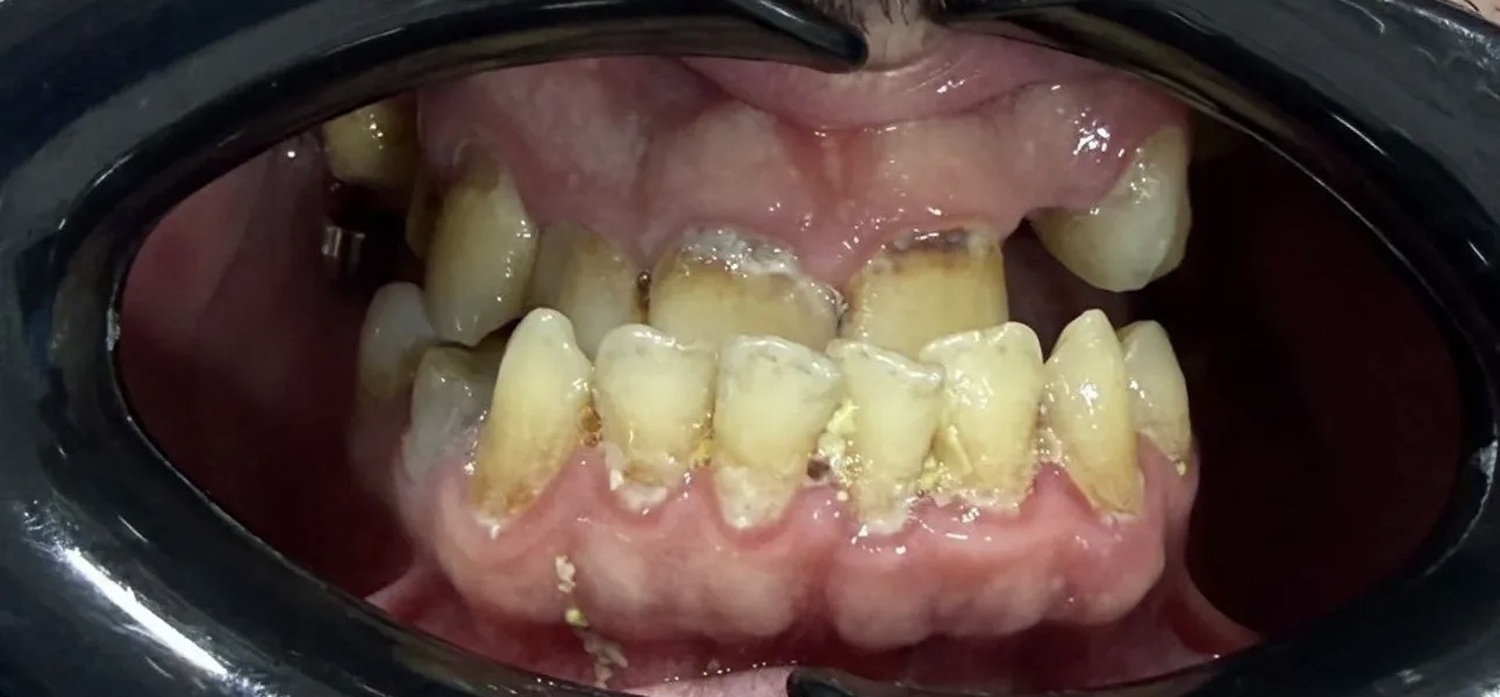
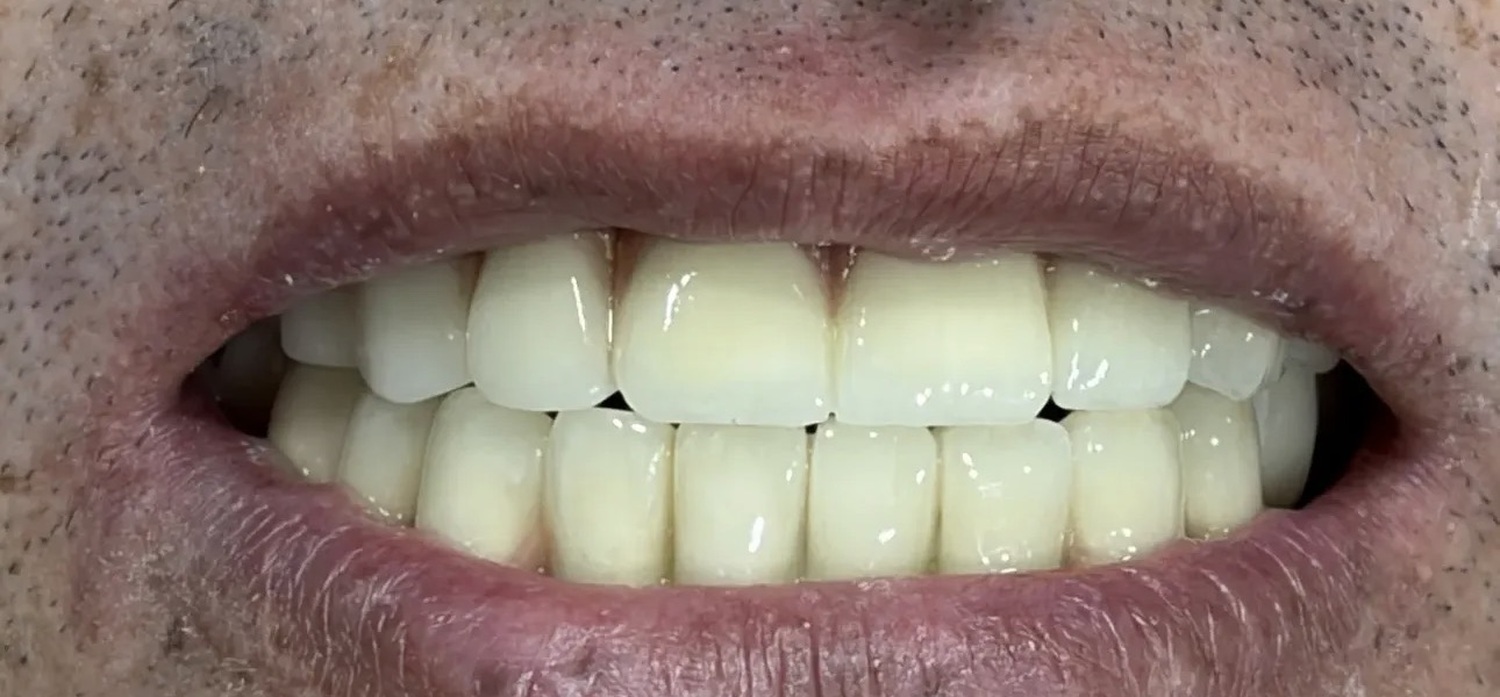
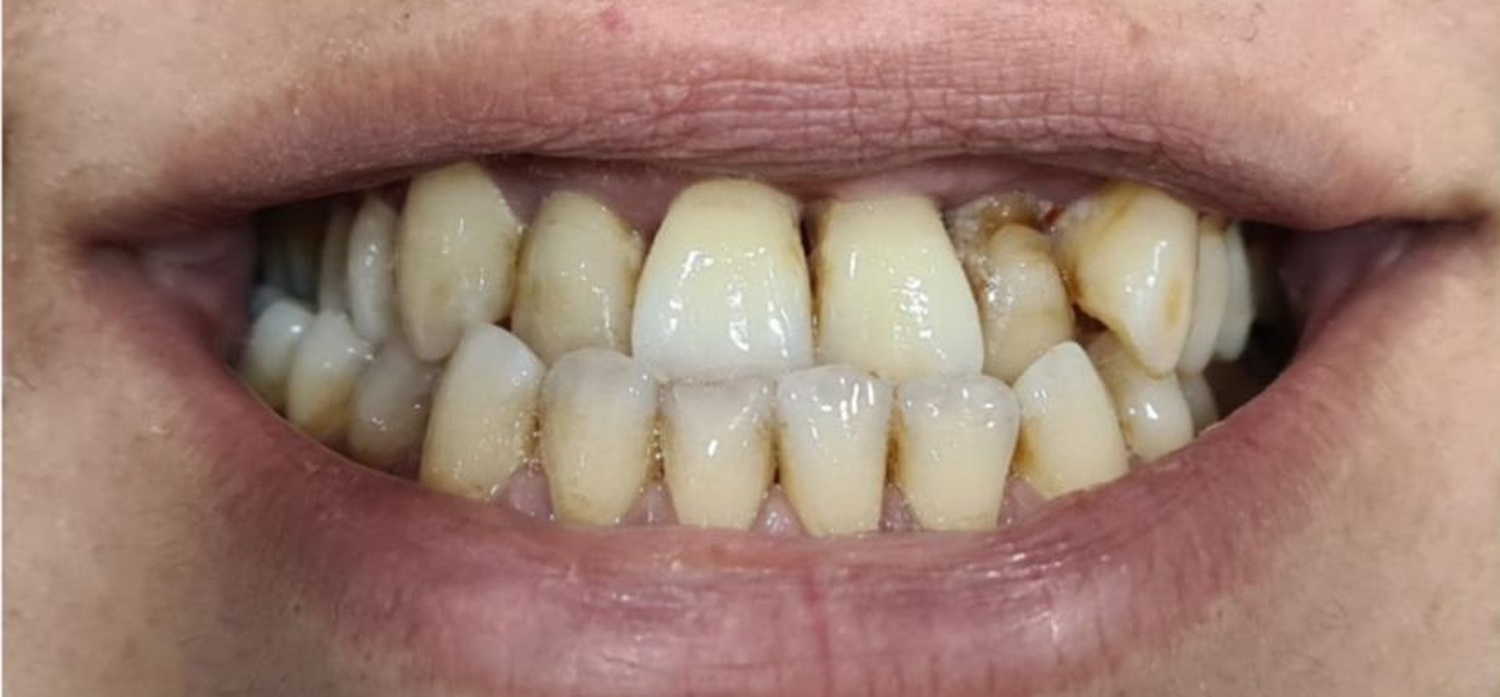
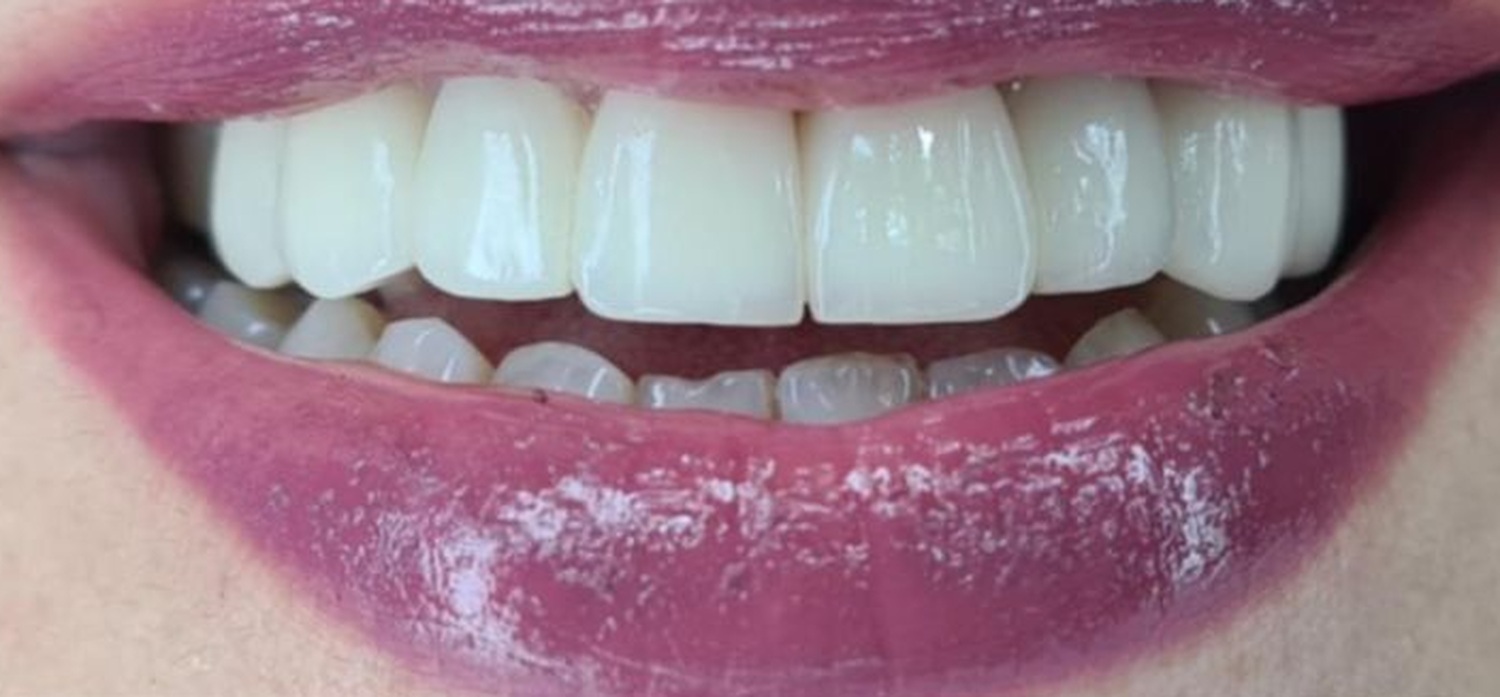
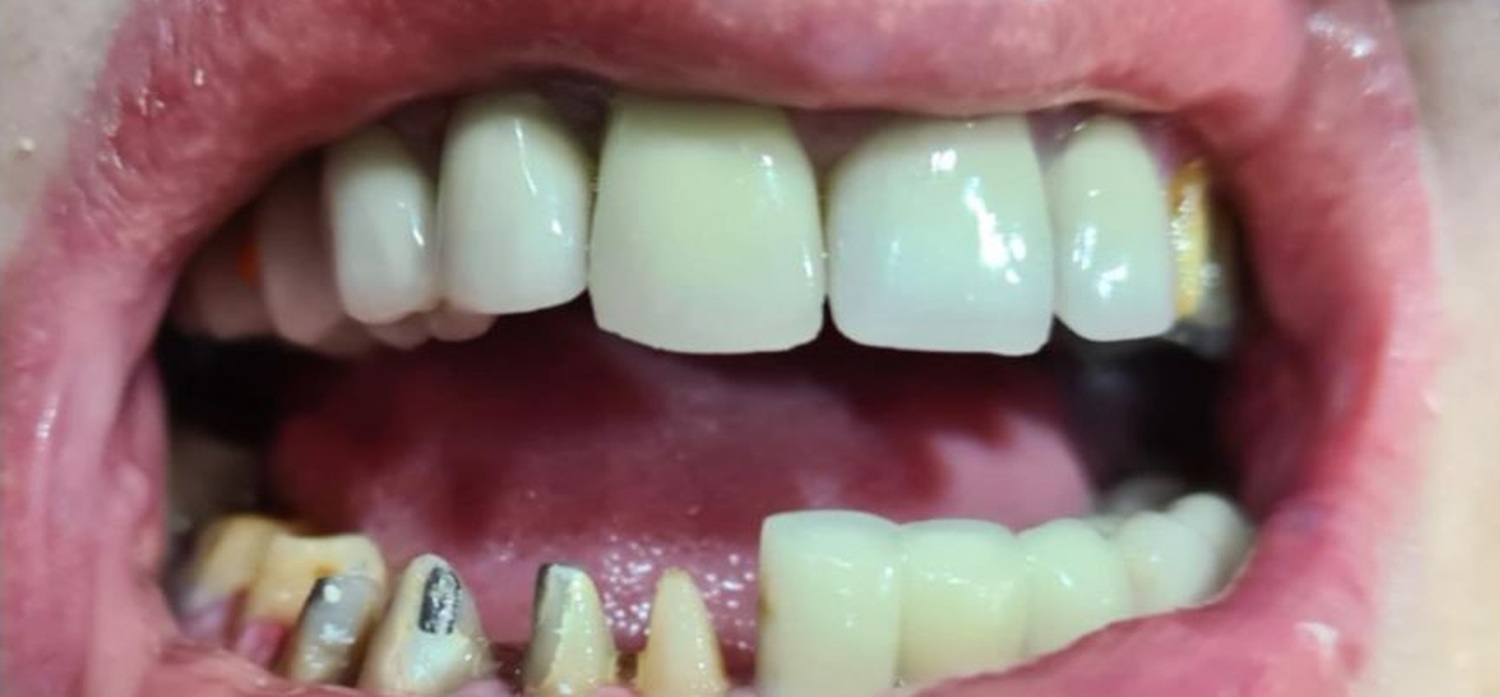
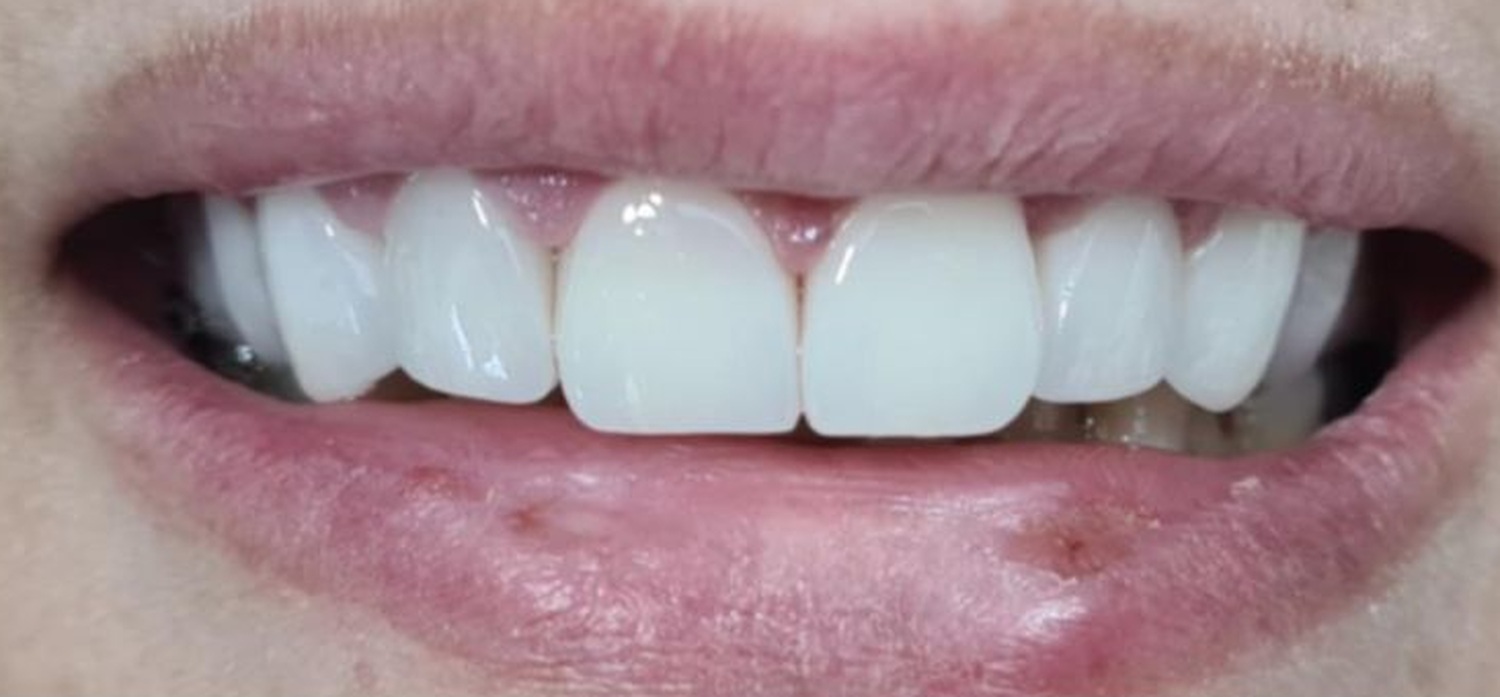
Real İ-Klinik patients, photographed with written consent. Matched framing, nothing about the result is retouched. Individual results vary.
Questions worth asking any clinic
- Was my case planned on a 3D scan, and may I see the plan?
- Which implant brand is being used, and will I receive the product passport with lot numbers?
- Where is the bridge made, and from what material?
- What happens if an implant fails to integrate, and who pays?
- Who do I see in the UK for follow-up?
If a clinic quotes you a number of implants before it has seen a scan of your jaw, it has quoted a price, not a plan. Send us a panoramic X-ray or a few photos and we will tell you, in writing, what your bone allows.
Not sure which option fits you?
Send a panoramic X-ray or a few photos through our UK line. Within 24 hours you will receive a written plan stating how many implants your bone supports and why, at no obligation.